Executive Summary
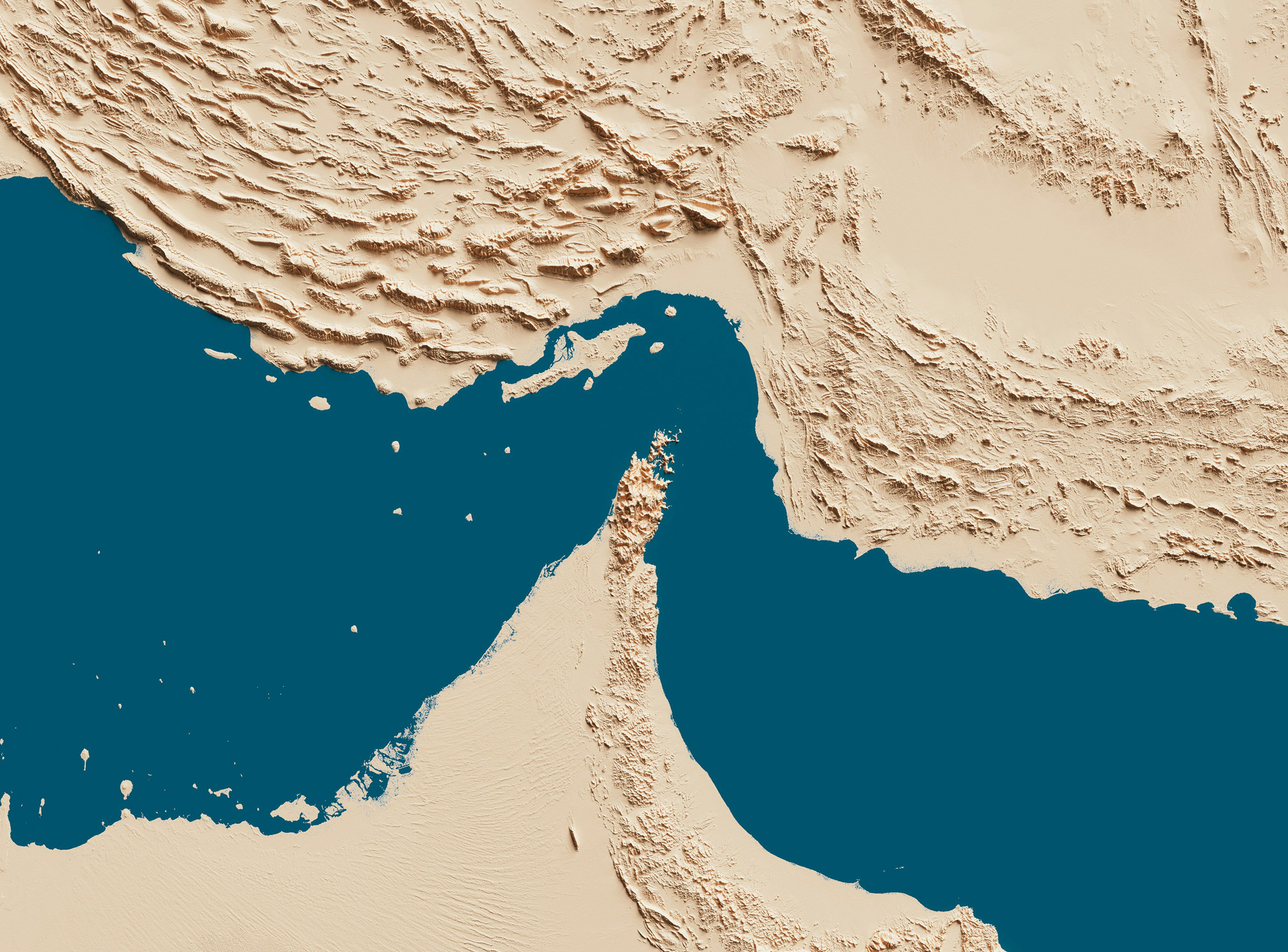
No Safe Harbor: Asia’s Continued Exposure to Disruptions in the Strait of Hormuz is a new report from The Asia Group, examining the far-reaching economic and strategic consequences of disruptions to the Strait of Hormuz, with a focus on Asia as the epicenter of global exposure. Drawing on cross-market analysis, comprehensive data, and proprietary AI and expert-driven scenario modeling, it assesses how shocks to energy and commodity flows propagate through interconnected supply chains, critical industries, and financial systems, and evaluates how governments and businesses are adapting to a more volatile operating environment.
The analysis focuses on major Asian economies — including China, India, Japan, South Korea, and Southeast Asia — and maps their pre-crisis dependencies across a wide range of commodities, from oil and liquid natural gas (LNG) to fertilizers, petrochemicals, and industrial inputs.
Key Findings
- Disruptions extend far beyond oil — this is a system-wide supply shock. The Strait is a critical transit route for inputs essential to industries ranging from semiconductors and pharmaceuticals to agriculture and consumer manufacturing. Shortages and higher costs are creating secondary and tertiary effects throughout economies that will persist even as shipping volumes recover. Asia is the epicenter of exposure, and the impacts are highly uneven.
- Inflationary pressures are likely to persist long after the immediate crisis subsides. The economic effects of a prolonged Hormuz disruption are likely to outlast the immediate crisis. While energy and commodity prices have already risen, the greater risk is a second wave of inflation driven by depleted inventories, strategic reserve drawdowns, and a global restocking cycle that will occur while supplies remain fragile. As businesses rebuild stocks and absorb higher input costs, price pressures are likely to spread across sectors, placing a disproportionate burden on households through higher energy and food costs. At the same time, fertilizer shortages are already affecting agricultural productions, increasing the risk of sustained food price inflation and food insecurity in vulnerable markets. The countries least able to absorb these shocks are likely to bear the heaviest economic and humanitarian costs, making food security a critical medium-term concern even after shipping disruptions ease.
- China is emerging as the most resilient major economy and gaining geopolitical advantage. Large strategic reserves, diversified energy sourcing, extensive state intervention tools, and leadership in renewable technologies have enabled Beijing to absorb the shock more effectively than regional peers. China is also using the crisis to reinforce its industrial self-reliance strategy and strengthen its geopolitical positioning.
- India faces the broadest domestic economic pressures. India’s heavy dependence on Gulf energy, fertilizer inputs, and petrochemical feedstocks leaves it vulnerable to compounding fuel, food, and agricultural shocks. Rising costs pose risks to household purchasing power, rural livelihoods, and globally significant sectors such as pharmaceuticals.
- Japan and South Korea face strategic industrial vulnerabilities. Both economies possess significant reserves and policy tools to manage short-term disruptions, but prolonged instability threatens key manufacturing sectors including petrochemicals, automobiles, semiconductors, and advanced technology industries. Fiscal burdens associated with subsidies and economic support measures are also mounting.
- Southeast Asia faces growing economic and political risks. Emerging markets across Southeast Asia have less fiscal space and fewer strategic reserves than Northeast Asia. Rising fuel and food costs are creating political pressures, challenging subsidy systems, and potentially undermining the region’s attractiveness as a manufacturing and investment destination.
- Critical industries face compound risks, creating hidden vulnerabilities in global growth drivers. The Hormuz disruption is cascading through deeply interconnected sectors where inputs, infrastructure, and financing are tightly coupled: in AI and data centers, cumulative pressures from higher energy, metals, and capital costs threaten to delay or reshape a historically large investment cycle; in healthcare and pharmaceuticals, thin margins and globally fragmented supply chains create heightened risks of production cuts, shortages, and rising costs; and across clean energy and critical minerals, constraints on inputs such as sulfur are simultaneously stressing mining, refining, and manufacturing systems that underpin the energy transition. These sectors function as core engines of global growth, meaning that disruptions do not remain contained, contributing to broader inflation, slowing investment, and delaying technological and energy transitions worldwide.
Strategic Implications
The Hormuz crisis is accelerating long-term shifts already underway across Asia. Governments are prioritizing supplier diversification, strategic reserve expansion, renewable energy deployment, domestic energy production, and supply-chain resilience. At the same time, the crisis is reshaping geopolitical calculations, strengthening demand for trusted partners, and reinforcing concerns about the vulnerability of global trade to a small number of strategic chokepoints.
The central conclusion of this study is clear: even if shipping through Hormuz resumes at scale, confidence in the reliability of the corridor has been damaged. The challenge for governments and businesses is no longer how to respond to a temporary disruption, but how to operate in a world where one of the most important arteries of global commerce can no longer be assumed to be secure.
For Asia — and for companies dependent on Asian markets and supply chains — there is no true safe harbor.